
What Does a Landscaper Do in Central Florida? Services + Pricing Ranges
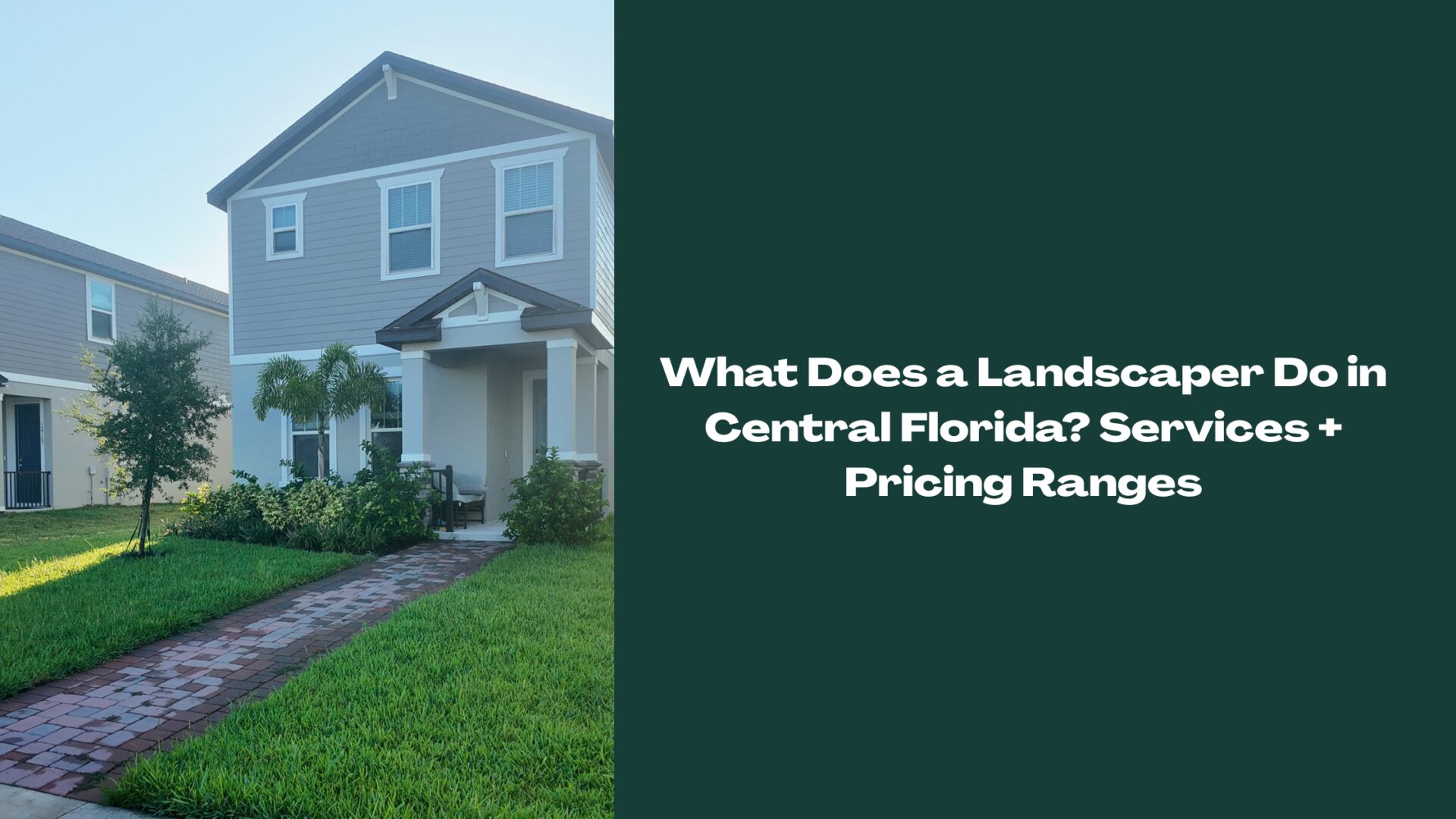
If you searched “landscaper” in Central Florida, you’re probably trying to answer a practical question: What exactly does a landscaper do—and what does it usually cost? In our area, “landscaper” can mean anything from basic mowing to full property maintenance that includes irrigation troubleshooting, bed upkeep, seasonal cleanups, and curb-appeal upgrades. This guide breaks down what a landscaper typically handles in Central Florida, what services are usually included, and the pricing ranges homeowners, HOAs, and property managers can expect.
Florida Landscape Co. serves Central Florida communities like Davenport, Haines City, Four Corners, Clermont, Horizon West, Winter Garden, and Celebration, and we’ll keep this focused on what actually matters for properties in our climate: fast growth, sandy soil, humidity, and irrigation systems that can drift out of balance quickly.
What “Landscaper” Means in Central Florida
In many states, a landscaper is mostly about mowing and trimming. In Central Florida, the role is usually broader because landscapes need more frequent attention and conditions are tougher on turf and plantings.
A landscaper may be responsible for:
- Keeping turf cut to a consistent height and preventing scalping
- Maintaining clean borders (edging) so the yard looks sharp week to week
- Managing beds (weeds, mulch, plant health, and clean lines)
- Trimming shrubs for shape and visibility
- Handling seasonal cleanups when growth spikes or storms leave debris
- Identifying irrigation issues that cause brown spots or water waste
- Recommending improvements (mulch refresh, sod patching, planting updates)
Think of your landscaper as the person (or team) responsible for your property looking “maintained” on a schedule—then improving the weak spots over time instead of constantly reacting to problems.
Core Landscaper Services Most Properties Need
Lawn maintenance and landscape maintenance
For most homes and communities, the baseline job of a landscaper starts with routine maintenance. That usually includes:
- Mowing on a weekly or bi-weekly schedule (season-dependent)
- Edging along sidewalks, driveways, curbs, and bed lines
- Trimming around obstacles and tight areas
- Blowing hard surfaces clean to finish the job
Consistent maintenance is what prevents the “it looks fine sometimes” cycle. When mowing frequency is inconsistent, lawns get stressed, weeds gain an advantage, and the property starts to look behind—even if the grass is technically green.
Bed maintenance (mulch, weeding, edging)
Beds are where curb appeal is won or lost. A landscaper often handles bed upkeep as part of maintenance or as a monthly add-on:
- Pulling or treating weeds
- Cleaning bed edges so turf doesn’t creep into mulch
- Refreshing mulch when it thins out or washes
- Replacing tired plants or correcting spacing issues
In Central Florida, bed weeds can spread quickly as temperatures rise and rain increases. Clean bed lines are also one of the fastest ways to make a property look “finished.”
Shrub trimming and seasonal cleanups
Shrubs can make a property look overgrown faster than almost anything else. A landscaper typically trims shrubs for:
- Shape and uniform appearance
- Clearance from windows and walkways
- Visibility at corners and entrances
- Preventing plants from crowding irrigation heads and turf
Seasonal cleanups can include removing debris, resetting bed edges, cutting back overgrowth, and getting a property ready for faster spring and summer growth.
Irrigation Is Often Part of the Job (or the Problem)
In Central Florida, irrigation problems are one of the biggest reasons people call a landscaper—even if they don’t realize it at first. Brown spots, uneven color, or constantly soggy areas often come down to:
- Misaligned heads spraying pavement instead of turf
- A zone that lost pressure due to leaks or clogged heads
- Heads that don’t pop up fully
- Timers that were never adjusted for seasonal conditions
- Coverage gaps that repeat in the same locations
Some landscaping teams only “flag” irrigation issues. Others (like Florida Landscape Co.) offer irrigation install and repair services so you can fix the root cause instead of chasing the symptoms.
Common Add-Ons That Boost Curb Appeal Fast
Once the basics are consistent, a good landscaper helps you target upgrades that make the property look better without a full redesign. Common add-ons include:
- Mulch refresh and bed redefinition (instant visual impact)
- Small planting upgrades (replace tired or sparse areas)
- Sod patching in thin or damaged spots
- Entryway and walkway detail work (especially for HOAs)
- Irrigation adjustments to stop dry spots from spreading
If you manage rentals or an HOA, these add-ons are often the difference between a property that looks “maintained” and one that looks “high standard.”
Pricing Ranges in Central Florida
Pricing varies by property size, service frequency, detail level, and how much bed/irrigation work is included. The ranges below are general planning bands you can use to set expectations.
Monthly maintenance ranges (most common)
For a typical residential property, monthly maintenance often falls into:
- Small yards: ~$150–$250/month
- Medium yards: ~$200–$350/month
- Large yards/corner lots: ~$300–$500+/month
What moves pricing up:
- More edging/detail work
- More shrubs/hedges
- Larger bed areas requiring weeding/mulch upkeep
- Tight access, obstacles, or higher cleanup needs
One-time cleanups and refresh projects
When you’re “catching up” or resetting a property:
- Seasonal cleanup: ~$150–$600+ depending on volume and scope
- Mulch refresh: ~$250–$1,200+ depending on bed size and depth
- Bed edge reset + weeding: varies widely, but often bundled with cleanups
These projects are usually quoted after a walkthrough because the difference between a light cleanup and a heavy reset is huge.
Irrigation install/repair pricing bands
Irrigation installation and repair pricing depends on what’s failing (head vs zone vs controller vs leak):
- Simple head replacement/adjustment: often ~$75–$200+ (scope-dependent)
- Zone troubleshooting/repairs: ~$150–$500+ depending on cause
- Controller/timer replacement or upgrade: ~$150–$600+
- Larger repairs or reconfiguration: quoted after diagnosis
HOA and Commercial pricing factors
HOAs and commercial properties aren’t priced like single homes because scope and standards are different. Pricing is driven by:
- Total acreage and number of bed zones
- Entry features and common areas (higher detail expectation)
- Irrigation complexity and recurring turf issues
- Schedule frequency and reporting/communication needs
If you’re comparing bids, the biggest issue is usually scope clarity—what’s included vs what becomes an extra later.
What Impacts Landscaping Cost the Most
If you want to understand the quote you receive, these are the factors that matter most:
- Frequency (weekly vs bi-weekly vs seasonal)
- Property size and layout (tight corners, obstacles, bed zones)
- Bed and shrub workload (this is where “maintenance” becomes “landscaping”)
- Irrigation condition (healthy systems cost less long-term than constant band-aids)
- Standards (HOA/commercial expectations raise detail and time)
A helpful rule: mowing is usually the cheapest piece; detail work (beds, shrubs, cleanups, irrigation troubleshooting) is what creates the premium look—and the premium labor.
Get a Quote From Florida Landscape Co.
If you’re looking for a landscaper in Central Florida and want clear scope and reliable scheduling, Florida Landscape Co. can help.
Call us today at (863) 582-2168 or request a quote online to schedule your free consultation.
Landscaper FAQs in Central Florida
Not always. Lawn mowing is one piece. A landscaper often includes edging, trimming, bed upkeep, shrub shaping, and recommendations for improvements.
Many residential properties fall into the ~$150–$500+/month range depending on yard size, frequency, and how much bed/shrub work is included.
Some only identify issues, while others offer irrigation install/repair. If you have repeated brown spots, make sure irrigation troubleshooting is part of the plan.
At minimum: mowing, edging, trimming, and cleanup. Many properties also need shrubs and bed edges maintained to keep curb appeal consistent.
During peak growth months, weekly is common for most homes and communities. Slower seasons may allow bi-weekly depending on standards and turf condition.