
Bahia Grass in Florida: Complete Care Guide for 2026
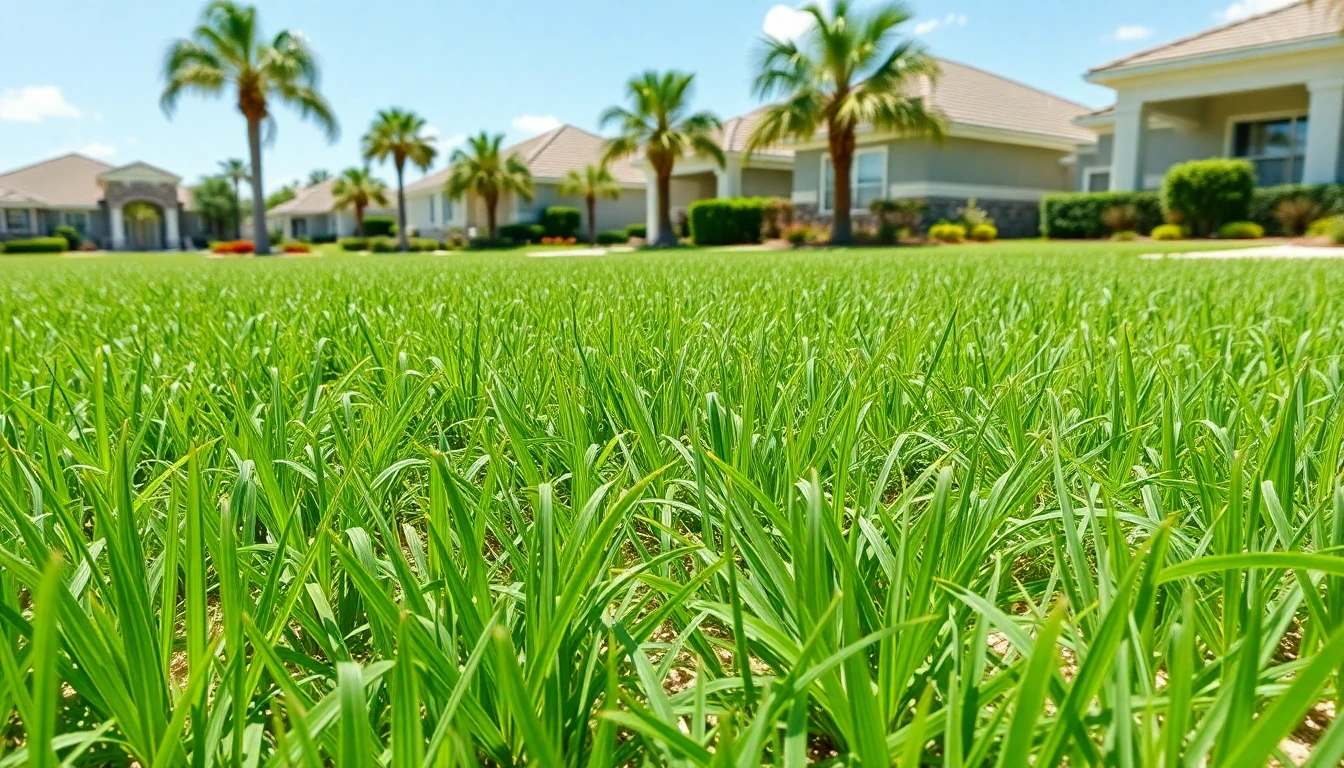
Over 40% of Central Florida homes have bahia grass lawns, yet most homeowners struggle with proper maintenance because this hardy turf requires different care than St. Augustine or Bermuda. Bahia grass florida lawns can thrive in sandy soils and drought conditions when managed correctly, making them a practical choice for many properties in Polk and Lake Counties.
Many homeowners inherit bahia grass from builders who choose it for cost-effectiveness during construction. While bahia grass has unique benefits, it also presents specific challenges that require targeted maintenance strategies.
Understanding proper bahia grass care helps homeowners maintain healthier lawns while avoiding common mistakes that lead to thin turf, weed invasions, and costly repairs.
Understanding Bahia Grass Characteristics
Bahia grass is a warm-season perennial that originated in South America and adapts well to Florida’s climate conditions. This grass type develops deep root systems that can extend 6-8 feet underground, making it extremely drought-tolerant once established.
The grass produces a coarse texture with wide blades that grow in an open pattern. Unlike dense turf varieties, bahia grass naturally has gaps between individual plants, which some homeowners mistake for unhealthy growth.
Bahia grass spreads through both rhizomes and seeds, allowing it to fill in bare spots naturally over time. However, this spreading habit also means the grass can become patchy if not properly maintained through regular fertilization and overseeding.
Proper Fertilization Schedule for Central Florida
Bahia grass requires less nitrogen than other Florida turf varieties, making over-fertilization a common problem. Apply fertilizer three times per year: early spring (March), mid-summer (July), and early fall (September).
Use a 16-4-8 or 15-0-15 fertilizer blend specifically formulated for bahia grass. According to the University of Florida IFAS Extension, apply at a rate of 1 pound of nitrogen per 1,000 square feet per application, which typically equals about 6-7 pounds of fertilizer per 1,000 square feet.
Avoid fertilizing during winter months when the grass is dormant. Winter fertilization can stimulate tender growth that becomes susceptible to cold damage and disease.
Tip: Apply fertilizer when rain is expected within 24-48 hours, or water thoroughly after application to prevent fertilizer burn on the grass blades.
Mowing Height and Frequency Guidelines
Maintain bahia grass at a height of 3-4 inches for optimal health and appearance. This higher mowing height helps the grass develop stronger root systems and provides better weed suppression than shorter cuts.
Mow weekly during active growing season (April through October) and reduce frequency to bi-weekly during cooler months. Never remove more than one-third of the blade height in a single mowing session.
Sharp mower blades are essential for bahia grass because dull blades tear the coarse grass fibers, creating brown tips and increasing disease susceptibility. Professional lawn maintenance services ensure proper cutting techniques that promote healthy growth patterns.
| Season | Mowing Height | Frequency | Special Notes |
|---|---|---|---|
| Spring/Summer | 3-4 inches | Weekly | Peak growing season |
| Fall | 3-4 inches | Bi-weekly | Slower growth begins |
| Winter | 3-4 inches | Monthly | Dormant period |
Common Bahia Grass Problems and Solutions
Dollar weed is the most persistent bahia grass problem in Central Florida due to the grass’s naturally open growth pattern. These circular weeds thrive in moist conditions and quickly spread through thin areas of the lawn. Proper irrigation system management can help control moisture levels that encourage weed growth.
Mole crickets cause significant damage to bahia grass by tunneling through the root zone and eating grass roots. Signs include loose soil mounds and brown patches that feel spongy underfoot.
Ergot disease affects bahia grass seed heads, creating black growths that reduce the lawn’s appearance. Remove seed heads through regular mowing to prevent ergot development and improve overall lawn aesthetics.
Note: Pre-emergent herbicides applied in early spring help prevent many annual weeds that compete with bahia grass for nutrients and water.
Overseeding and Renovation Timing
Overseed bahia grass lawns in late spring (April-May) when soil temperatures consistently reach 70°F or higher. This timing allows new seedlings to establish before summer heat stress.
Prepare the area by removing thatch buildup and lightly raking to create good seed-to-soil contact. Apply seed at a rate of 5-10 pounds per 1,000 square feet for overseeding existing lawns.
Keep seeded areas consistently moist for 2-3 weeks until germination occurs. Avoid heavy foot traffic during the establishment period to prevent seed displacement and root damage.
For severely damaged areas, consider renovation with professional sod installation services using St. Augustine or Zoysia varieties that provide denser coverage and better weed resistance.
When to Consider Grass Type Conversion
Many Central Florida homeowners eventually convert from bahia grass to St. Augustine or Zoysia for improved appearance and density. Consider conversion when bahia grass consistently fails to provide adequate coverage despite proper maintenance.
St. Augustine grass offers superior weed resistance and creates a lush, dense lawn that many homeowners prefer. Zoysia provides excellent drought tolerance with a finer texture than bahia grass.
Professional evaluation helps determine the best replacement grass type based on specific site conditions, maintenance preferences, and budget considerations. Soil testing reveals nutrient deficiencies that should be addressed before installing new turf. A comprehensive landscape design consultation can help you explore all your options for lawn renovation.
Common Mistakes to Avoid
- Over-fertilizing with nitrogen: Bahia grass requires less nitrogen than other turf types. Excessive nitrogen creates weak, disease-prone growth and increases mowing requirements.
- Watering too frequently: Daily shallow watering prevents deep root development. According to Florida-Friendly Landscaping, water 2-3 times per week with longer duration for better drought tolerance.
- Mowing too short: Cutting below 3 inches weakens the grass and allows weeds to establish more easily in the open canopy.
- Ignoring soil pH: Bahia grass prefers slightly acidic soil (pH 5.5-6.5). Alkaline soils reduce nutrient availability and slow growth.
- Applying pre-emergent herbicides at wrong times: Late applications miss the target weed germination periods and reduce effectiveness significantly.
- Expecting St. Augustine-like density: Bahia grass naturally grows in an open pattern. Attempts to force density through over-seeding often fail and waste resources.
Fertilize bahia grass three times per year: early spring (March), mid-summer (July), and early fall (September). Use a low-nitrogen fertilizer specifically formulated for bahia grass to avoid over-stimulating growth.
Maintain bahia grass at 3-4 inches height for optimal health. This height promotes deeper root development and provides better resistance to weeds and drought stress than shorter cuts.
Bahia grass has a naturally open growth pattern that allows weeds to establish more easily than dense turf varieties. Regular fertilization, proper mowing, and pre-emergent herbicide applications help reduce weed problems.
No, you cannot successfully overseed bahia grass with St. Augustine because they have different growth habits and maintenance requirements. Complete removal and replacement is necessary for grass type conversion.
Established bahia grass needs about 1 inch of water per week including rainfall. Water 2-3 times per week with deep, infrequent applications rather than daily shallow watering.
Consider replacing bahia grass when it consistently fails to provide adequate coverage despite proper maintenance, or when you prefer a denser, more uniform lawn appearance that St. Augustine or Zoysia varieties provide.