Zoysia Grass in Florida: Complete Guide for Central Florida Lawns
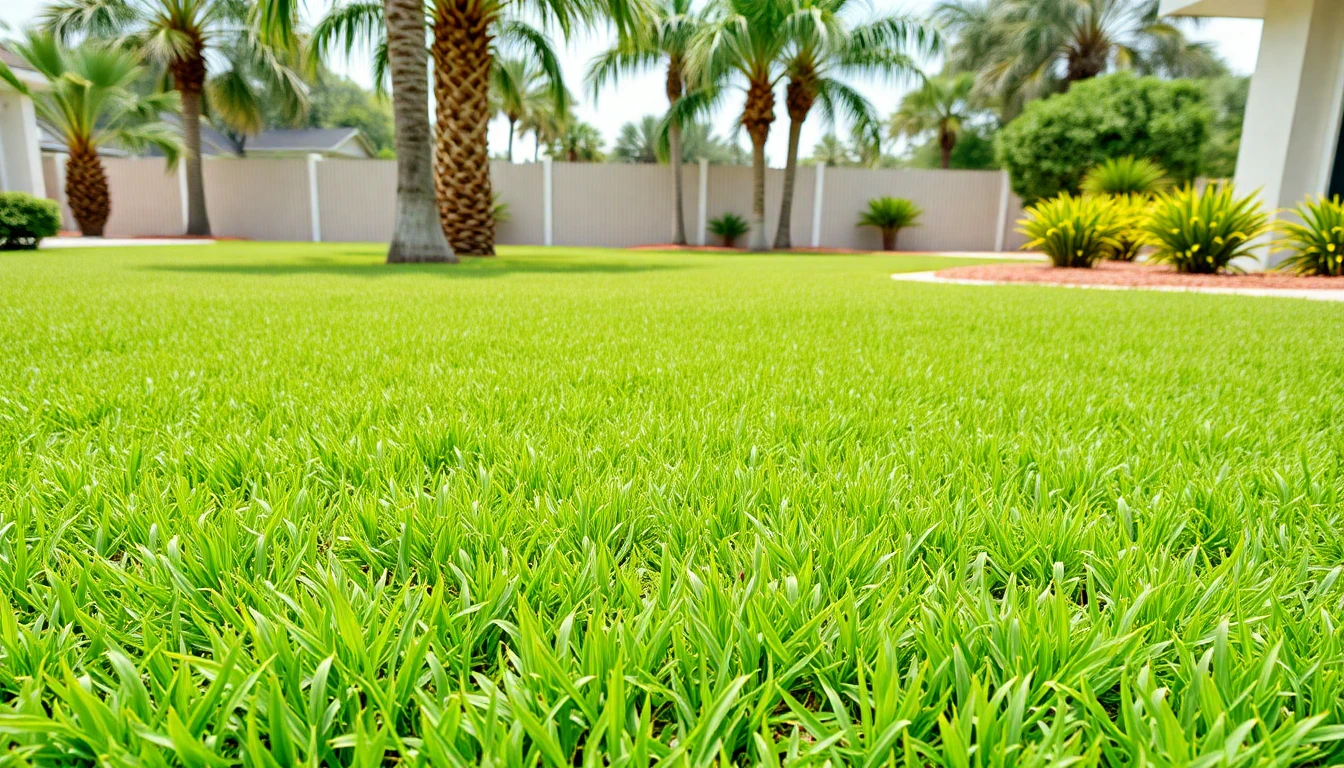
Over 85% of Central Florida homeowners struggle with choosing the right grass type for their sandy soil and intense heat conditions. Zoysia grass in Florida has gained significant attention as a premium turf option, but understanding its specific benefits and challenges in our climate is essential before making the investment.
Zoysia grass offers exceptional drought tolerance and creates a dense, carpet-like lawn that many homeowners find appealing. However, this warm-season grass comes with unique considerations for Florida properties, particularly in the Polk, Lake, and West Orange County areas where soil conditions and weather patterns create specific growing challenges.
The decision between zoysia and other grass types affects your lawn’s appearance, maintenance requirements, and long-term costs for years to come. Let’s examine what makes zoysia grass work in Florida and whether it’s the right choice for your property.
Understanding Zoysia Grass Performance in Florida
Zoysia grass thrives in Florida’s warm climate but performs differently than the more common St. Augustine grass. This dense, slow-growing grass creates an extremely thick turf that feels soft underfoot and maintains its color longer during cooler months. According to the University of Florida IFAS Extension, zoysia is well-adapted to Florida’s climate zones and provides excellent wear tolerance.
The grass enters dormancy when temperatures consistently drop below 50°F, turning brown until spring warming begins. In Central Florida, this dormancy period typically lasts 2-3 months, shorter than northern regions but longer than St. Augustine grass dormancy.
Zoysia’s root system penetrates deeply into sandy soil, making it exceptionally drought-tolerant once established. This characteristic proves valuable during Florida’s dry seasons when water restrictions may limit irrigation schedules.
Zoysia vs St. Augustine Grass: Key Differences
St. Augustine grass dominates Central Florida landscapes, but zoysia offers distinct advantages and trade-offs. Understanding these differences helps determine which grass suits your specific property needs and maintenance preferences.
St. Augustine grass grows more quickly and recovers faster from damage, while zoysia takes longer to establish but creates a more durable surface. The establishment period for zoysia can extend 1-2 years for full coverage, compared to St. Augustine’s 3-6 month establishment time.
Shade tolerance differs significantly between these grasses. St. Augustine handles moderate shade better, while zoysia requires more direct sunlight to maintain density and health.
| Factor | Zoysia Grass | St. Augustine Grass | Bahia Grass |
|---|---|---|---|
| Drought Tolerance | Excellent | Good | Excellent |
| Shade Tolerance | Moderate | Good | Poor |
| Maintenance Level | Low-Medium | Medium-High | Low |
| Installation Cost | $0.60-0.90/sq ft | $0.35-0.55/sq ft | $0.25-0.40/sq ft |
| Traffic Tolerance | Excellent | Good | Fair |
| Pest Resistance | Good | Fair | Excellent |
Maintenance Requirements for Florida Zoysia Lawns
Zoysia grass requires less frequent mowing than St. Augustine due to its slower growth rate. During peak growing season, mowing every 10-14 days maintains optimal height, compared to weekly mowing for most St. Augustine varieties.
Fertilization needs for zoysia are generally lower than other warm-season grasses. A balanced fertilizer application 2-3 times per year typically meets nutritional requirements, though sandy soils may require more frequent feeding. For water-conscious homeowners, zoysia’s reduced irrigation needs align well with EPA WaterSense recommendations for efficient outdoor water use, and proper irrigation system design can maximize water efficiency for zoysia lawns.
Thatch buildup can become problematic with zoysia due to its dense growth pattern. Annual dethatching or core aeration helps maintain healthy soil conditions and prevents water penetration issues.
Tip: Professional lawn maintenance services can develop a customized care schedule that addresses zoysia’s specific needs in Central Florida’s climate conditions.
Installation Costs and Considerations
Zoysia grass installation costs more than St. Augustine or Bahia grass due to slower propagation and higher production expenses. Expect to invest $0.60-0.90 per square foot for quality zoysia sod, compared to $0.35-0.55 for St. Augustine.
The higher upfront cost often balances against long-term savings in water usage and reduced maintenance requirements. Zoysia’s drought tolerance can significantly reduce irrigation costs during Florida’s dry seasons.
Site preparation becomes crucial for zoysia success. Sandy soil amendments, proper grading, and irrigation system adjustments ensure optimal establishment and long-term health.
Common Mistakes to Avoid with Zoysia Grass
- Planting in heavily shaded areas: Zoysia requires at least 6 hours of direct sunlight daily. Installing in shade-heavy locations leads to thin, weak turf that struggles to establish.
- Overwatering during establishment: While consistent moisture helps establishment, excessive watering encourages shallow root development and increases disease susceptibility.
- Neglecting soil preparation: Skipping soil testing and amendment in sandy Florida soils creates drainage and nutrition problems that affect long-term grass health.
- Mowing too short: Cutting zoysia below 1.5 inches stresses the grass and reduces its natural drought tolerance and density advantages.
- Ignoring thatch management: Allowing thatch buildup without regular aeration creates water penetration issues and increases pest and disease problems.
- Expecting immediate results: Rushing the establishment process or expecting quick coverage leads to disappointment, as zoysia naturally grows slower than other grass types.
Best Zoysia Varieties for Central Florida
Several zoysia varieties perform well in Florida conditions, each with specific characteristics suited to different property needs and maintenance preferences. The Florida-Friendly Landscaping program provides detailed guidance on selecting appropriate grass varieties for sustainable lawn care.
Empire zoysia offers good shade tolerance and faster establishment than traditional zoysia varieties. This variety maintains better color during cooler months and shows improved recovery from traffic damage.
Zeon zoysia provides the finest texture and densest growth pattern, creating a premium lawn appearance. However, this variety requires more maintenance and performs best with regular professional care.
For properties considering zoysia installation, professional sod installation services ensure proper variety selection and establishment techniques for your specific site conditions.
Zoysia grass typically takes 12-24 months to fully establish in Florida conditions. Initial root development occurs within 2-3 weeks of installation, but complete coverage and maturity require a full growing season or more, depending on variety and site conditions.
Established zoysia grass can survive Florida summers with minimal irrigation due to its excellent drought tolerance. However, some supplemental watering during extended dry periods maintains optimal appearance and prevents stress damage, especially in sandy soils.
Zoysia grass justifies higher installation costs through reduced long-term maintenance, lower water requirements, and superior durability. Properties with high traffic areas, water restrictions, or owners preferring low-maintenance lawns benefit most from the investment.
Zoysia grass in Florida requires fertilization 2-3 times per year, typically in early spring, mid-summer, and early fall. Sandy soils may require more frequent light applications to maintain consistent nutrition levels throughout the growing season.
Yes, zoysia grass benefits from annual dethatching or core aeration in Florida due to its dense growth pattern. Thatch buildup prevents water penetration and creates conditions for pest and disease problems in our humid climate.
Zoysia grass performs best in full sun to partial shade areas with at least 6 hours of direct sunlight daily. Avoid heavily shaded locations, low-lying wet areas, and spots with poor drainage in sandy Florida soils.