
Why Your Horizon West Lawn Has Random Brown Spots (5 Common Causes)
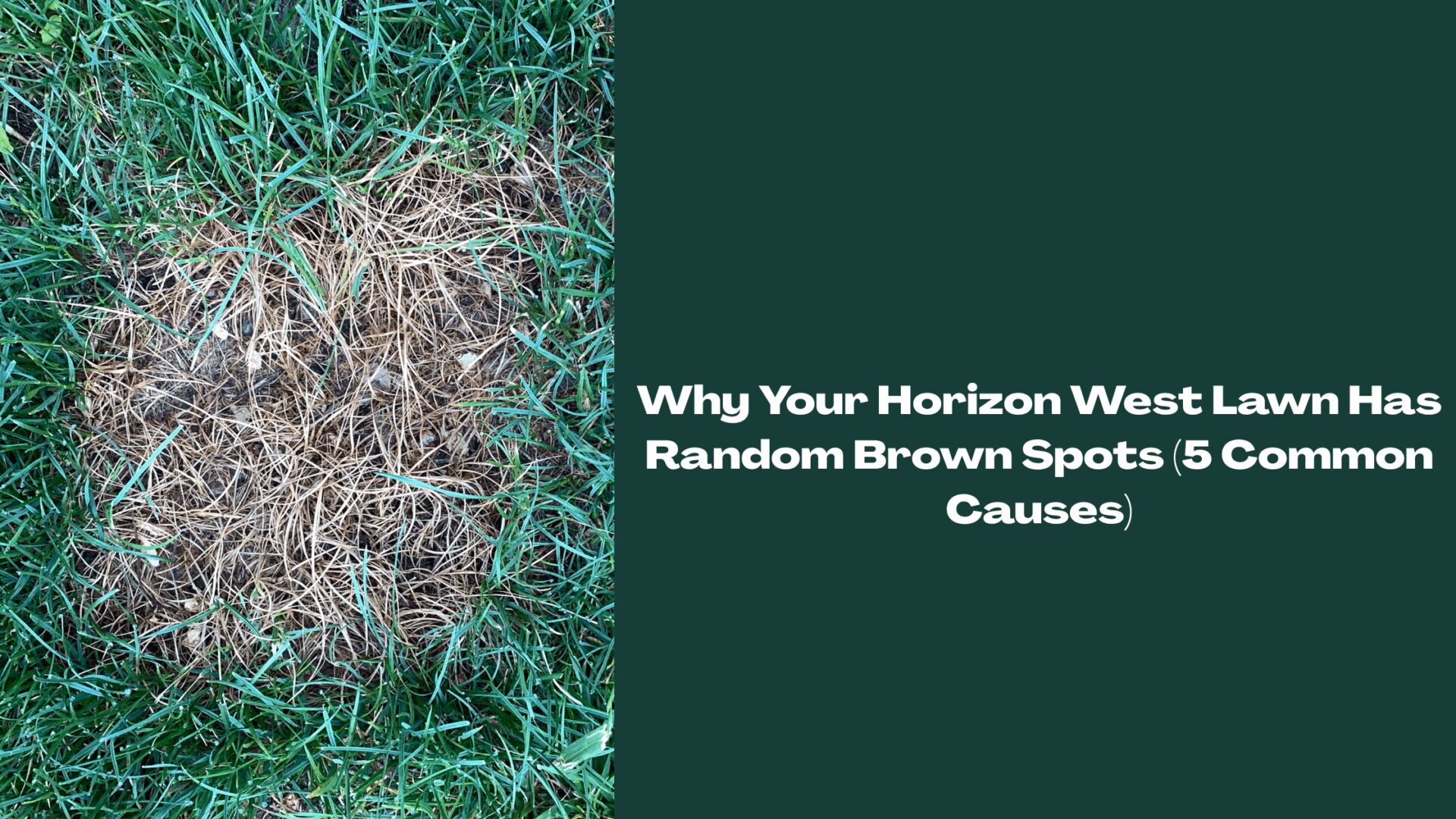
Horizon West lawn brown spots are frustrating because they often show up “randomly”—even when you’re mowing regularly and your irrigation system runs on schedule. The truth is, most brown spots aren’t random at all. They follow patterns caused by coverage gaps, watering timing, fungus pressure, pests, mowing stress, or soil compaction.
If you’re seeing new brown patches pop up across your turf, the fastest way to stop the damage is to identify whether the spot is dry, soggy, or spreading—because each points to a different root cause. And if you want a full overview of local lawn care, irrigation, and landscaping support, start here: Horizon West landscaping services.
Below are the 5 most common causes we see in Horizon West, what they look like, and what actually fixes them.
First, Identify the Pattern: Dry, Soggy, or Spreading?
Before you buy treatments or change your watering schedule, take 3 minutes to diagnose the pattern.
Quick lawn spot test
- Touch the soil: Is it powder-dry, slightly damp, or soaked?
- Check the edges: Are the edges sharp and defined, or fading outward?
- Look at the blades: Are tips shredded (dull mower), or do blades have lesions/spots (fungus)?
- Watch the irrigation: Does the spot get water during the zone run, or is it missed?
Rule of thumb:
- Dry + crisp edges usually = irrigation coverage or compaction
- Damp + spreading often = fungus pressure or overwatering
- Chewed/stressed blades can indicate pests or mower damage
Now let’s hit the big five.
Cause #1: Irrigation Coverage Gaps (Most Common)
In Horizon West, this is the #1 reason “random” brown spots show up—especially in newer lawns and builder-installed irrigation.
What it looks like
- Dry patches that don’t match sun exposure
- Brown “wedges” or “strips” that line up with sprinkler patterns
- Spots near sidewalks/driveways that stay dry while overspray hits pavement
Why it happens
- Heads are tilted, blocked by plants, or buried
- Nozzles are clogged or the wrong type
- One zone has low pressure, so spray distance falls short
- Coverage overlaps are uneven (too much water in one area, none in another)
What fixes it
- Real coverage check (watch each zone run)
- Head alignment + nozzle match
- Pressure check and correction
- Zone adjustments so water lands on turf—not hard surfaces
If irrigation is the likely culprit, start here: Irrigation Install & Repair. For many homeowners, a proper irrigation tune-up solves the problem without any lawn “treatment.”
Cause #2: Overwatering + Fungus Pressure
If your brown spots feel damp, spread outward, or show up after rainy stretches—even when you water—fungus may be the issue.
What it looks like
- Spots that spread over time
- A “smoky ring” appearance on some turf types
- Grass that looks thin and weak, not just dry
Why it happens
- Irrigation schedule doesn’t match the season (watering like July in cooler months)
- Watering too late in the day keeps turf wet overnight
- Soggy areas from leaks, stuck valves, or drainage issues
What fixes it
- Reduce watering frequency and water earlier in the morning
- Repair leaks/valves causing constant dampness
- Improve airflow with proper mowing height and trimming
If you’re not sure whether it’s drought stress or fungus pressure, don’t guess—coverage + soil moisture tell you quickly.
Cause #3: Lawn Pests (Chinch Bugs & Sod Webworms)
Pests can create patches that look like drought—especially in sunny areas.
What it looks like
- Irregular brown spots that expand
- Turf that feels weak and pulls up easily
- In some cases, visible chewing or thinning
Why it happens
Pests thrive when turf is stressed by heat, drought, or uneven watering. That’s why pest problems often show up alongside irrigation problems.
What fixes it
- Confirm the pest issue (don’t blanket treat without ID)
- Reduce turf stress (fix irrigation coverage first)
- Targeted treatment plan if pests are confirmed
If your brown spots come back quickly after watering and the soil isn’t dry, pest pressure becomes more likely.
Cause #4: Mowing Stress (Too Short or Dull Blades)
Mowing seems harmless—until the blade is dull or the mower height is too low.
What it looks like
- Grass tips look shredded or frayed
- Brown haze over the lawn after mowing
- Spots worsen after service rather than improve
Why it happens
- Cutting too short stresses turf and reduces root strength
- Dull blades tear grass, increasing stress and disease risk
- Inconsistent mowing height creates thin areas that dry out faster
What fixes it
- Set the correct mowing height for your turf type
- Sharpen blades regularly
- Avoid “scalping,” especially before hot stretches
If you use a service, consistent standards matter—see: Lawn Maintenance.
Cause #5: Pet Spots, Traffic, or Soil Compaction
Some “random” brown spots are simply high-traffic stress or compacted soil, especially near gates, paths, and play areas.
What it looks like
- Small spots or worn areas in repeat-use zones
- Soil that feels hard and doesn’t absorb water well
- Water runs off instead of soaking in
Why it happens
Compacted soil prevents roots from getting oxygen and limits water absorption. Even perfect irrigation won’t fix compacted turf quickly.
What fixes it
- Reduce traffic in the area if possible
- Improve soil conditions over time (aeration is often helpful)
- Confirm irrigation is reaching the area (compaction + coverage gaps can stack)
When to Call a Pro (What We Check on Site)
If you’re tired of guessing, a professional check saves time and prevents the problem from spreading.
A proper visit typically includes:
- Zone-by-zone coverage observation (not just “system turns on”)
- Head alignment/nozzle checks and pressure evaluation
- Schedule review (seasonal timing and run durations)
- Turf stress indicators (mowing height, shade/sun balance)
- Identification of likely fungus/pest patterns when present
If you want an all-in-one view of services in the area, visit: Horizon West landscaping services.
Schedule a Lawn + Irrigation Check in Horizon West
If your lawn has brown spots that keep returning, Florida Landscape Co. can help you identify the cause and fix it correctly—whether it’s irrigation coverage, watering schedule, mowing stress, or a deeper turf issue.
Call us today at (863) 582-2168 or request irrigation diagnostic service appointment.
Frequently Asked Questions About Horizon West Lawn Brown Spots
Because runtime doesn’t guarantee coverage. Misaligned heads, clogged nozzles, or low pressure can miss areas while other zones get soaked.
Check soil moisture. Dry soil with crisp edges usually points to coverage/compaction. Damp soil with spreading patches often points to fungus pressure or overwatering.
Not if the root cause is irrigation, fungus, pests, or mowing stress. Fertilizer can sometimes make issues worse if watering and timing aren’t correct.
Watch your irrigation zones run and check if the brown area is actually being watered. Coverage checks are the fastest diagnostic step.
Yes. HOA properties often need a combination of consistent maintenance standards and irrigation oversight to prevent repeat turf loss.